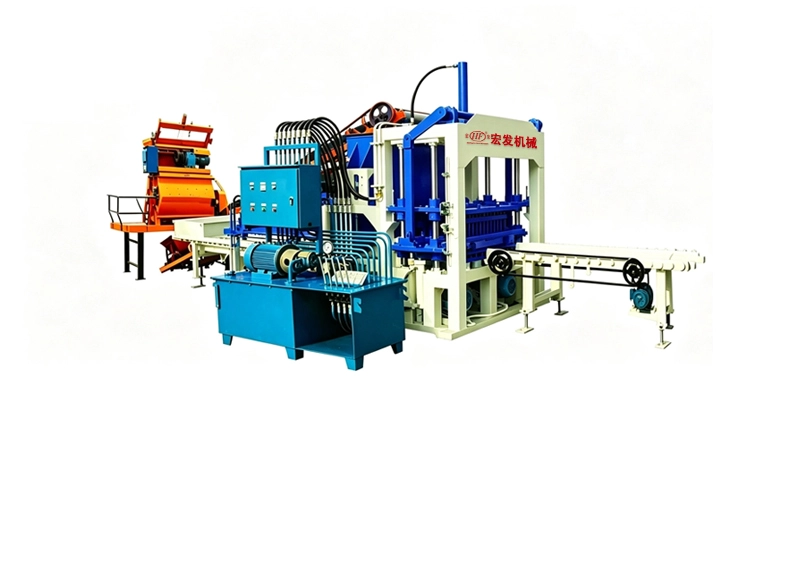
1. Platform High‑frequency Vibration & High‑pressure Hydraulic Compression, High‑density Pavers to Meet Municipal Acceptance Standard
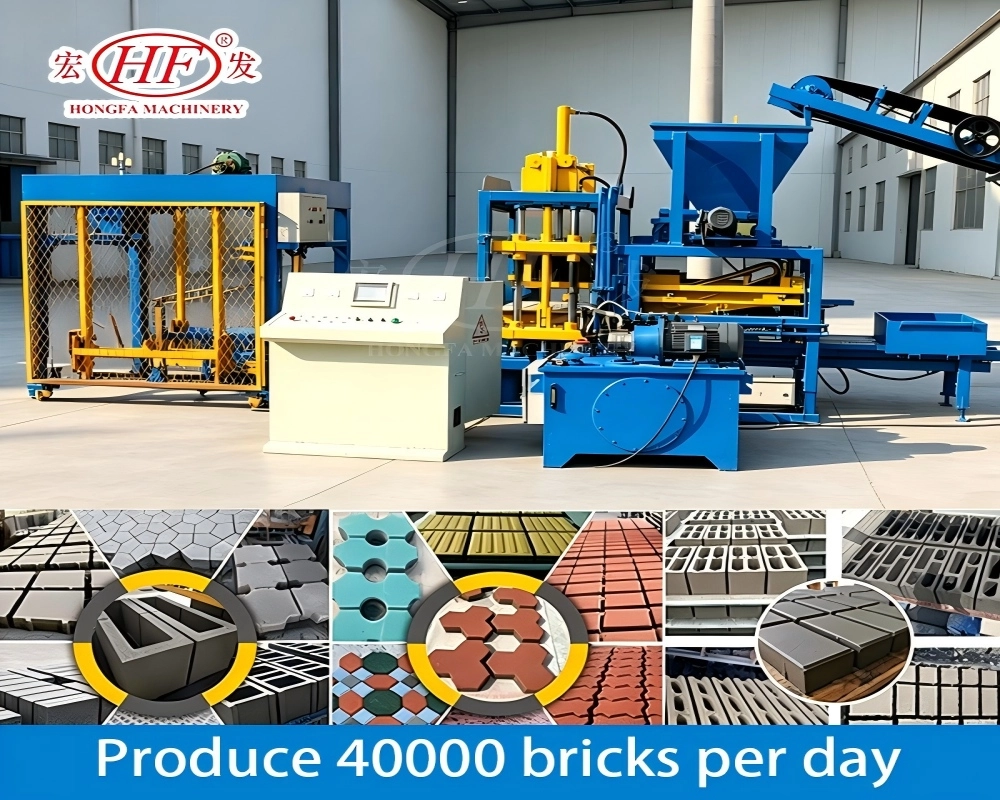
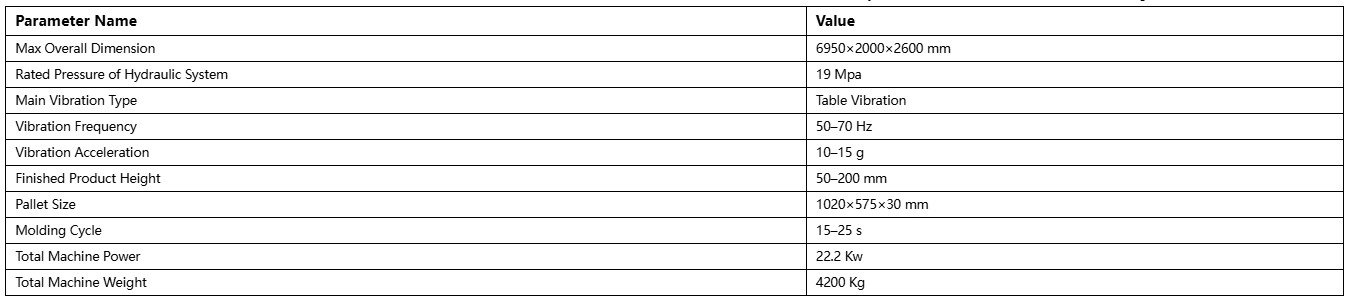
Municipal projects impose strict requirements on hardness, frost‑resistance and anti‑permeability for paving blocks. Poor compaction leads to sanding, cracking and short service life. QT4‑20C adopts platform vibration at 50‑70Hz with vibration acceleration 10‑15g, combined with 19Mpa rated hydraulic pressure. Pre‑vibration during feeding and main vibration‑compression during molding fully compact concrete aggregates. Finished pavers reach tensile strength above 15Mpa with good frost‑proof and impermeable performance and precise dimension tolerance. By swapping moulds, the same host manufactures grass pavers, curbstones, standard bricks and hollow blocks, handling both municipal and construction orders and improving return‑of‑investment.
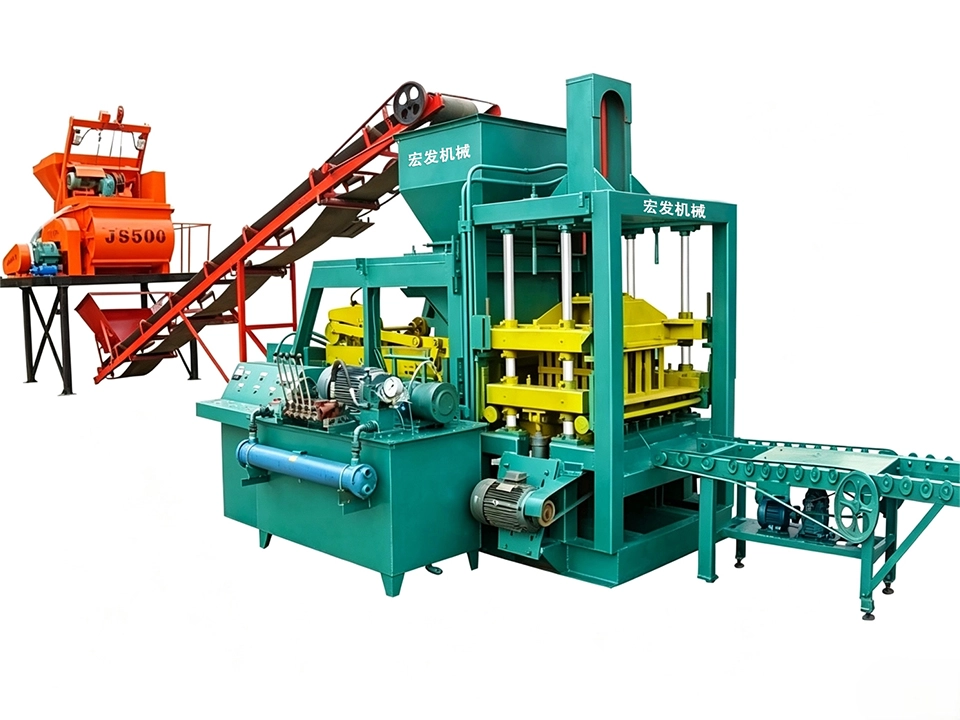
2. Proximity‑switch Controlled Forming Cycle, Automatic In‑cycle Actions to Reduce Man‑caused Paver Defects
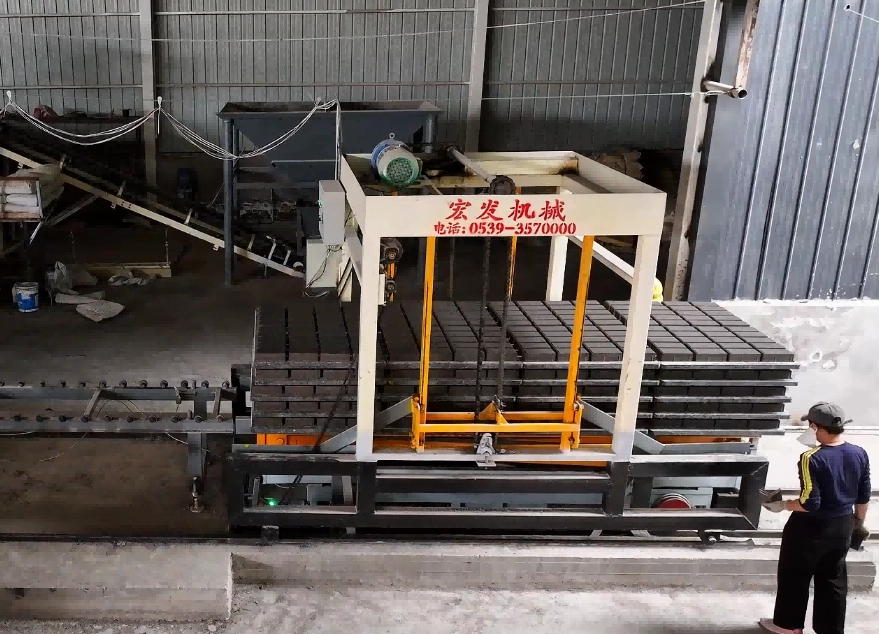
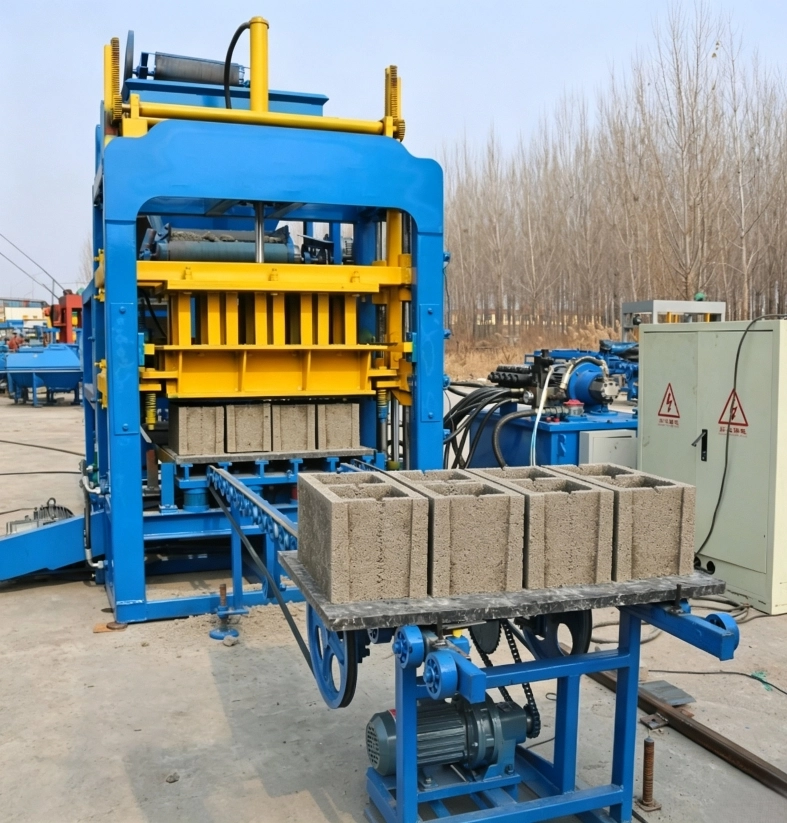
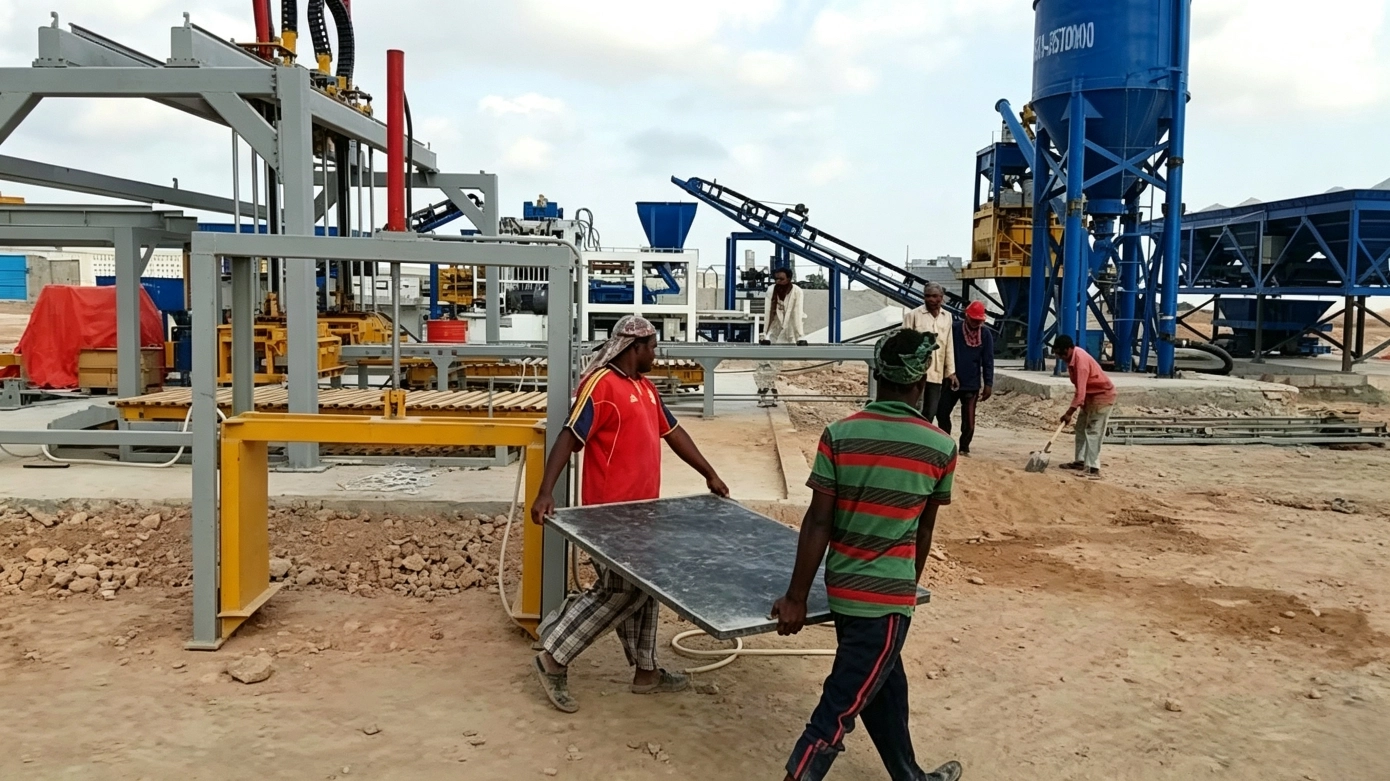
This is a semi‑automatic machine. Manual work is required for pallet replenishment, raw‑material feeding and green‑brick transfer. Nevertheless, inner forming procedures including pallet feeding, material distributing, pre‑vibration, main compression vibration, demolding and brick discharging run automatically controlled by non‑contact proximity switches. It avoids frequent manual lever operation compared with fully‑manual brick machines. Only few attendants are needed on‑site, and operators can get competent after simple training. It reduces reject rate caused by improper manual operation and material waste. With lower entry‑level investment, it fits small‑medium brick factories under budget pressure and eases labor‑shortage risks.
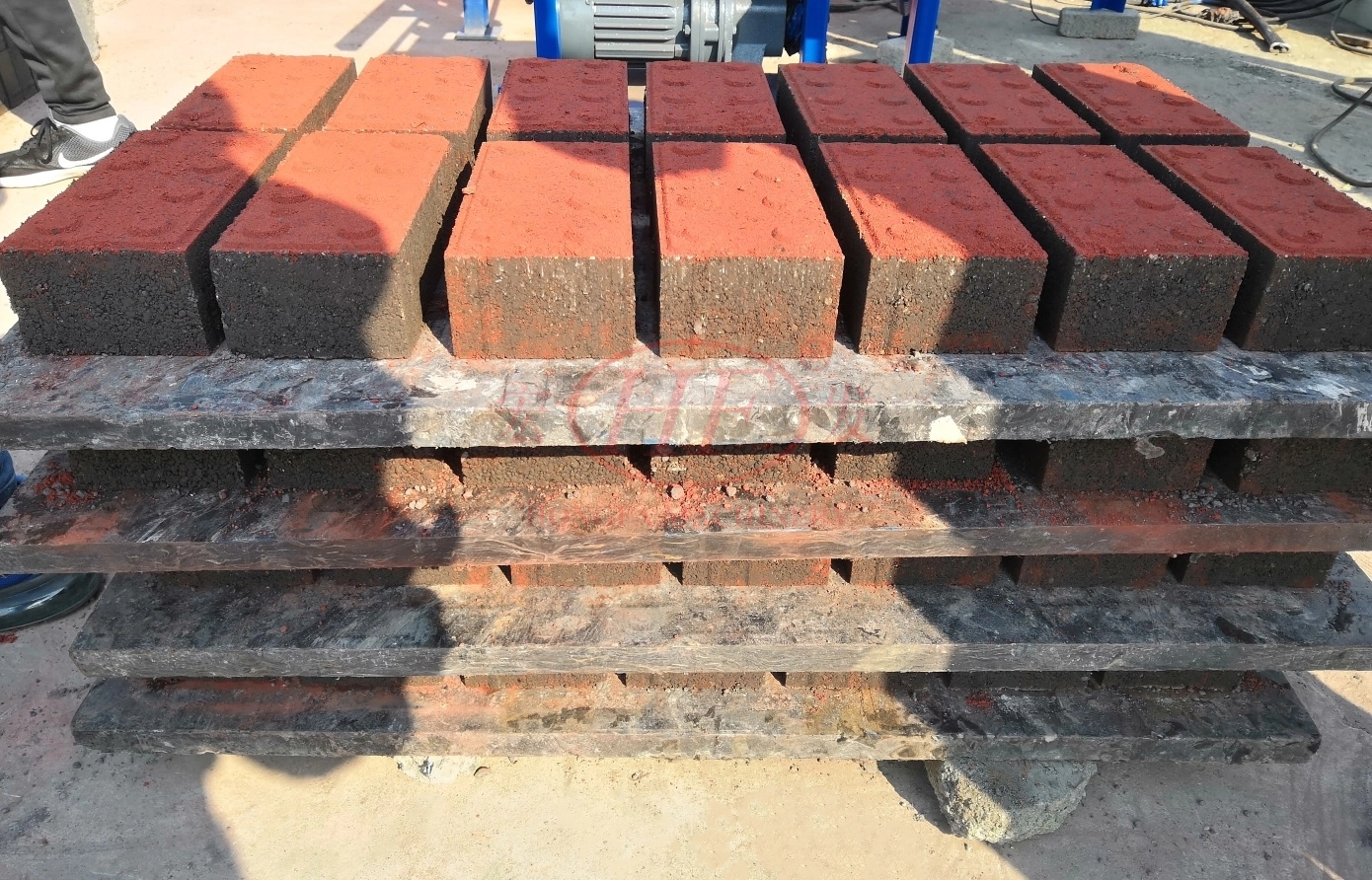
3. Compatible with Large‑size Pallets, Decent Output per Mould, Reliable for Large‑volume Municipal Paver Orders
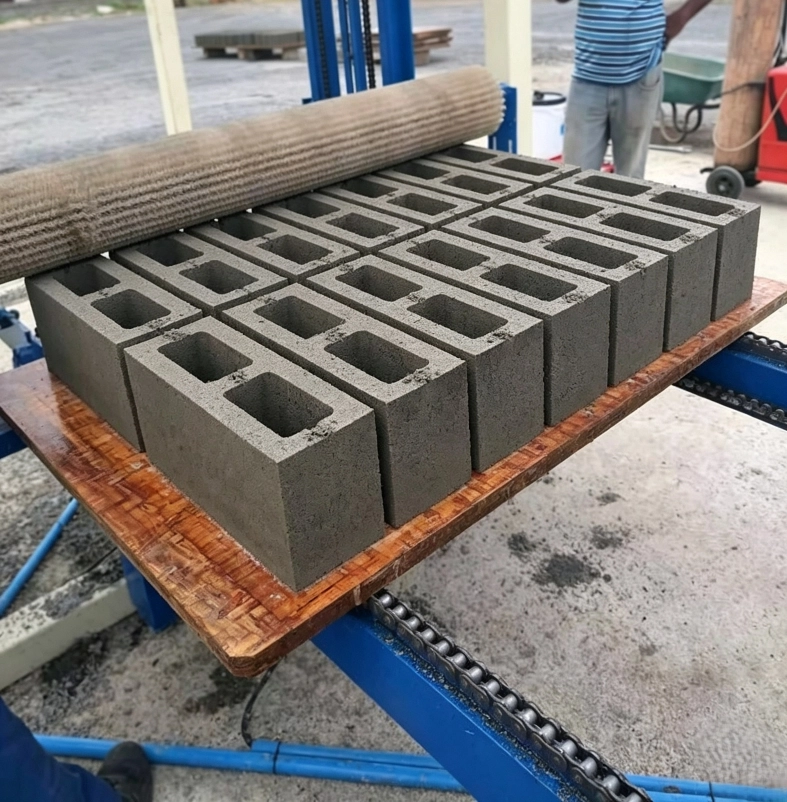
Municipal paving projects often require large batch deliveries. The usable working area of pallets directly decides output per mould. QT4‑20C fits large 1020×575mm pallets. Product height ranges 50‑200 mm, supporting mainstream 60‑80 mm thick pavers. Stable 15‑25 s molding cycle ensures consistent continuous production. The green paver blocks are smoothly conveyed out together with pallets, greatly reducing collision‑caused breakage of fresh low‑strength bricks and boosting overall shipment efficiency for 8‑hour‑shift bulk municipal orders.
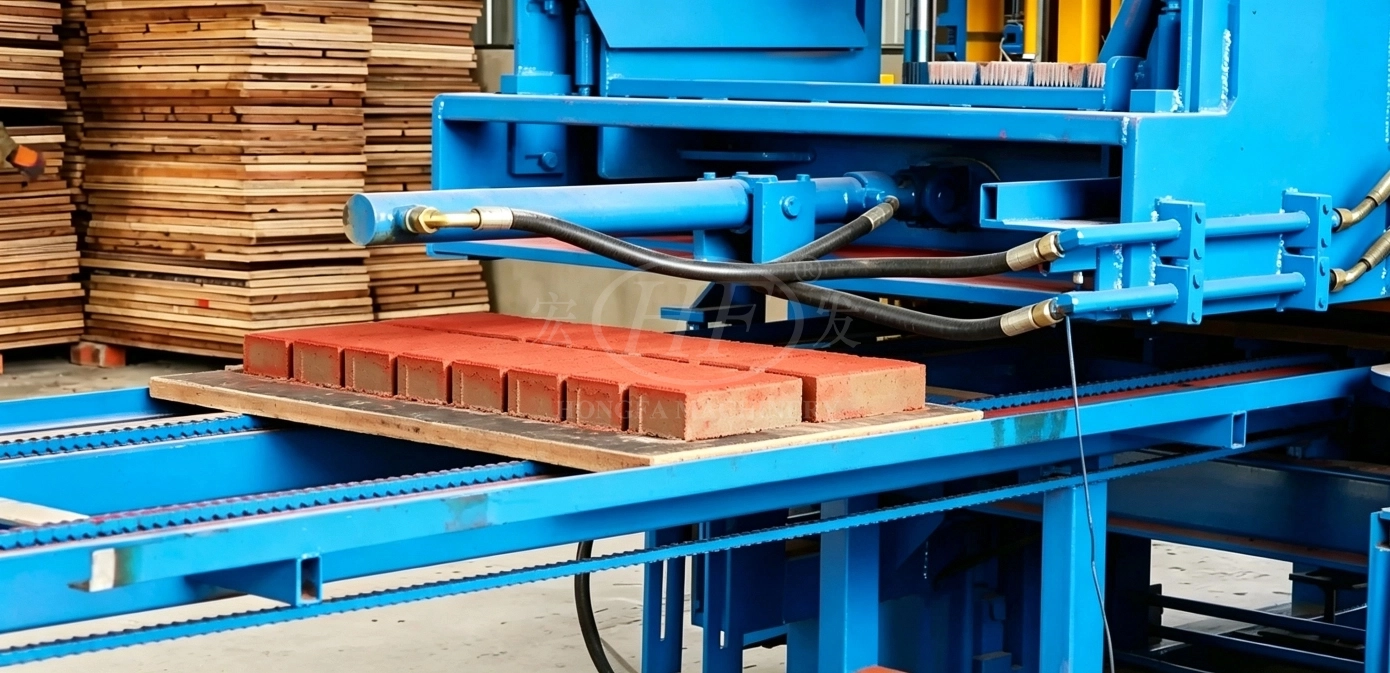
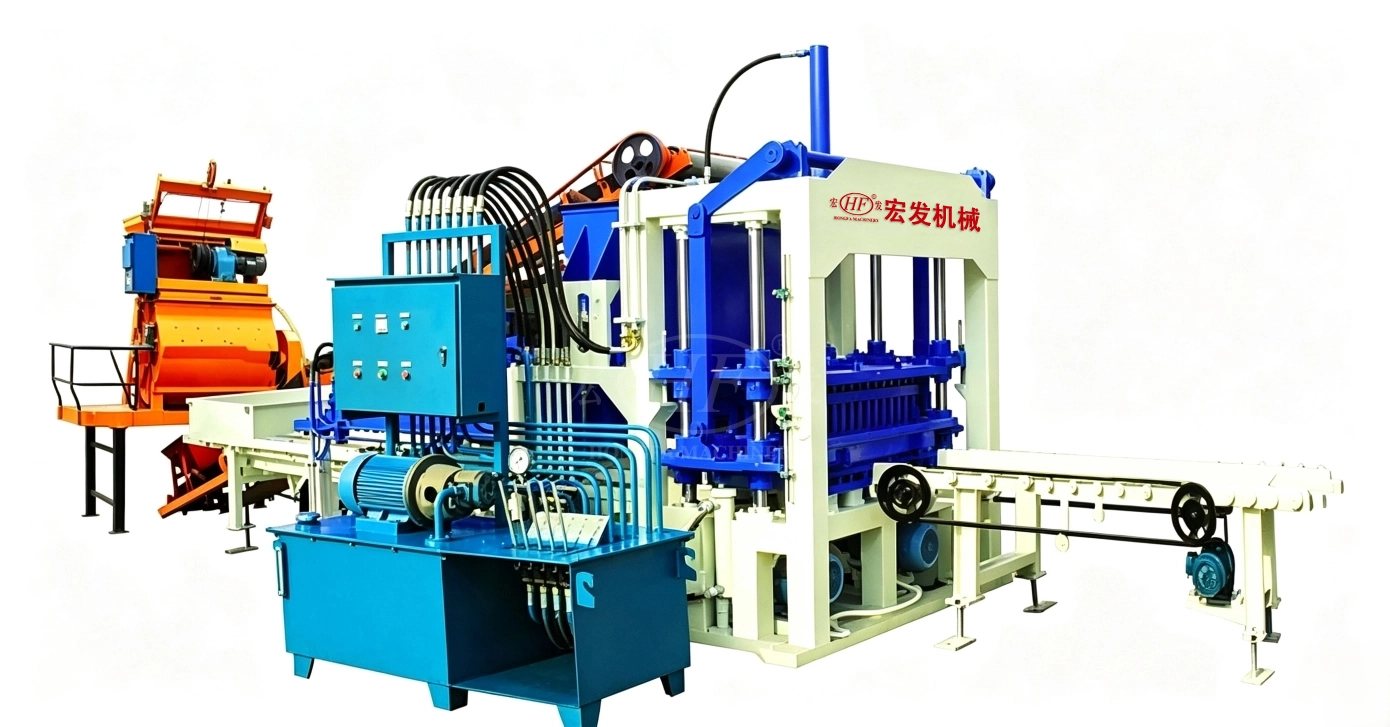
4. Famous‑brand Core Electrical & Hydraulic Components, Compact & Reliable Structure for Rush Municipal‑order Continuous Production
Municipal projects are usually time‑limited and demand long‑time non‑stop production. Poor‑quality components may trigger oil leakage, abnormal vibration or signal failure, resulting in shutdown and contract penalty. QT4‑20C adopts imported or domestic well‑known brand key electric and hydraulic parts. Optimized vibration‑box design lowers motor burnout risk. Compact and rigid main frame minimizes failure points for stable heavy‑duty continuous paver production. It cuts unexpected downtime and maintenance expenditure and guarantees on‑time delivery for municipal contracts.
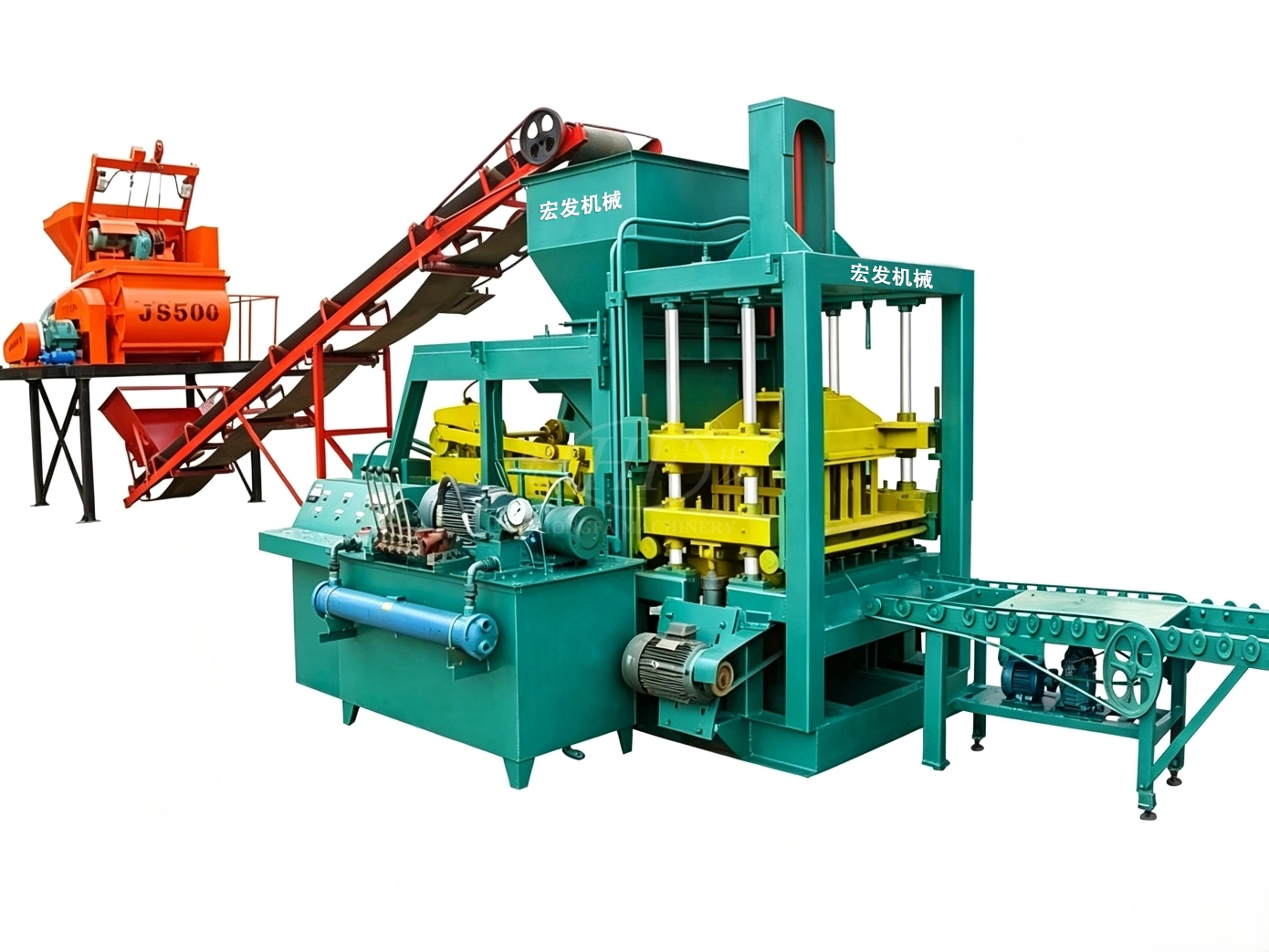
5. Wide Raw‑material Compatibility, Utilize Local Industrial Waste such as Fly‑ash / Cinder / Gangue to Reduce Paver Production Cost
Fierce market competition makes raw‑material cost critical for paver manufacturers. QT4‑20C manufactures pavers with crushed stone, sand, cement together with local industrial solid waste including fly ash, cinder and coal gangue. It adapts to dry‑hard concrete formula. Minor moisture fluctuation of raw materials will not heavily affect molding quality. Sourcing local aggregates and industrial residues saves long‑distance transportation cost, lowers per‑paver material expense, improves profit margin and strengthens bidding competitiveness in municipal tenders.
6. Flexible Multi‑mould Switching, Fast Change‑over between Pavers / Grass‑pavers / Curbstones, Enrich Municipal Product Portfolio
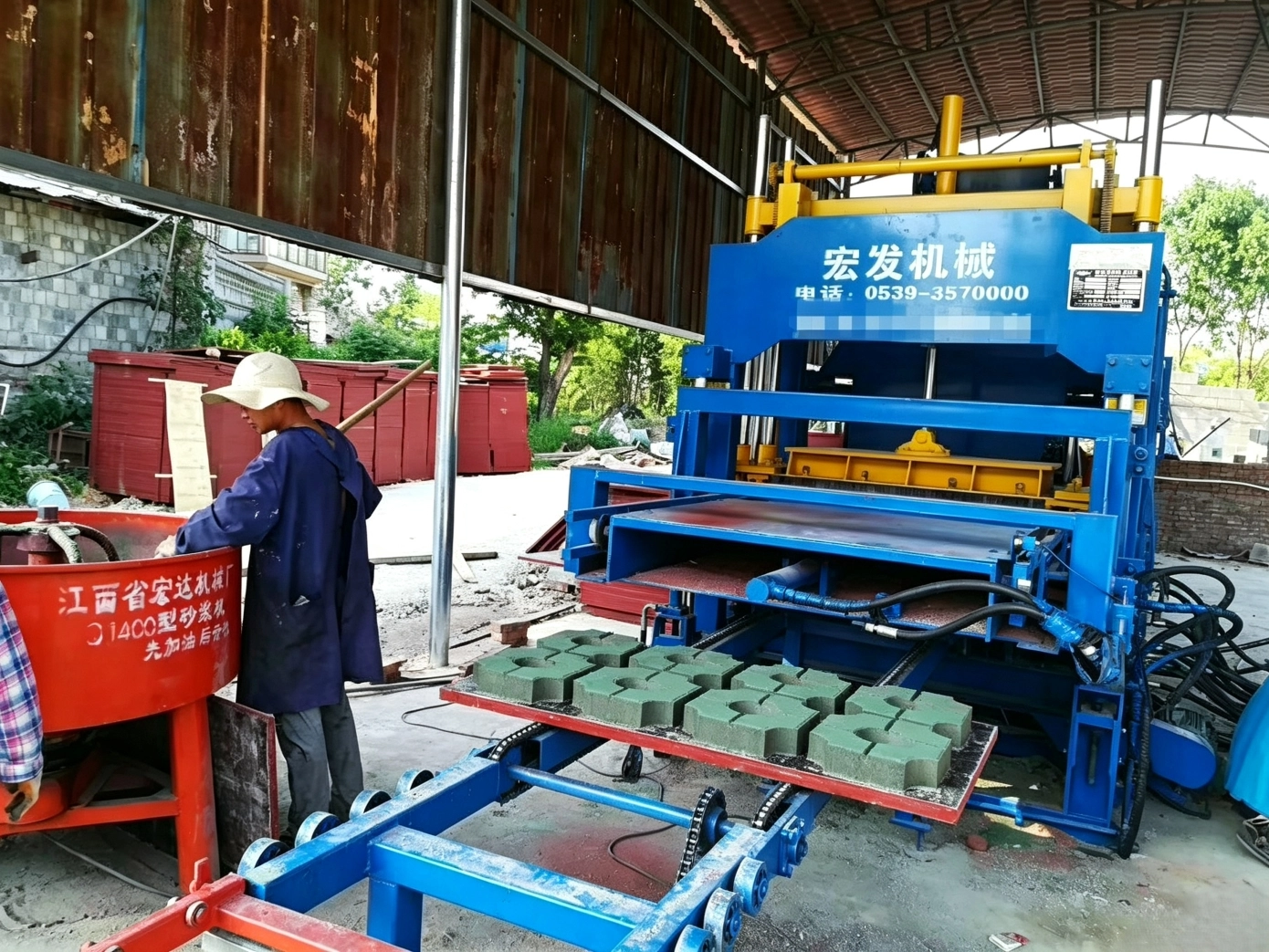
Many medium‑small brick factories face fluctuating order types: interlocking pavers, grass bricks or curbstones. Buying multiple dedicated machines means high upfront investment. QT4‑20C supports fast mould replacement with manganese‑steel mould sets. You can switch among different‑size pavers, interlocking blocks, grass pavers and curbstones without purchasing extra hosts. When receiving varied municipal & landscaping orders, you only swap moulds to start new production. It enables small‑size plants to take diverse municipal contracts with limited equipment, expands customer sources and raises equipment utilization rate.
1. Platform High‑frequency Vibration & High‑pressure Hydraulic Compression, High‑density Pavers to Meet Municipal Acceptance Standard
Municipal projects impose strict requirements on hardness, frost‑resistance and anti‑permeability for paving blocks. Poor compaction leads to sanding, cracking and short service life. QT4‑20C adopts platform vibration at 50‑70Hz with vibration acceleration 10‑15g, combined with 19Mpa rated hydraulic pressure. Pre‑vibration during feeding and main vibration‑compression during molding fully compact concrete aggregates. Finished pavers reach tensile strength above 15Mpa with good frost‑proof and impermeable performance and precise dimension tolerance. By swapping moulds, the same host manufactures grass pavers, curbstones, standard bricks and hollow blocks, handling both municipal and construction orders and improving return‑of‑investment.
2. Proximity‑switch Controlled Forming Cycle, Automatic In‑cycle Actions to Reduce Man‑caused Paver Defects
This is a semi‑automatic machine. Manual work is required for pallet replenishment, raw‑material feeding and green‑brick transfer. Nevertheless, inner forming procedures including pallet feeding, material distributing, pre‑vibration, main compression vibration, demolding and brick discharging run automatically controlled by non‑contact proximity switches. It avoids frequent manual lever operation compared with fully‑manual brick machines. Only few attendants are needed on‑site, and operators can get competent after simple training. It reduces reject rate caused by improper manual operation and material waste. With lower entry‑level investment, it fits small‑medium brick factories under budget pressure and eases labor‑shortage risks.
3. Compatible with Large‑size Pallets, Decent Output per Mould, Reliable for Large‑volume Municipal Paver Orders
Municipal paving projects often require large batch deliveries. The usable working area of pallets directly decides output per mould. QT4‑20C fits large 1020×575mm pallets. Product height ranges 50‑200 mm, supporting mainstream 60‑80 mm thick pavers. Stable 15‑25 s molding cycle ensures consistent continuous production. The green paver blocks are smoothly conveyed out together with pallets, greatly reducing collision‑caused breakage of fresh low‑strength bricks and boosting overall shipment efficiency for 8‑hour‑shift bulk municipal orders.
4. Famous‑brand Core Electrical & Hydraulic Components, Compact & Reliable Structure for Rush Municipal‑order Continuous Production
Municipal projects are usually time‑limited and demand long‑time non‑stop production. Poor‑quality components may trigger oil leakage, abnormal vibration or signal failure, resulting in shutdown and contract penalty. QT4‑20C adopts imported or domestic well‑known brand key electric and hydraulic parts. Optimized vibration‑box design lowers motor burnout risk. Compact and rigid main frame minimizes failure points for stable heavy‑duty continuous paver production. It cuts unexpected downtime and maintenance expenditure and guarantees on‑time delivery for municipal contracts.
5. Wide Raw‑material Compatibility, Utilize Local Industrial Waste such as Fly‑ash / Cinder / Gangue to Reduce Paver Production Cost
Fierce market competition makes raw‑material cost critical for paver manufacturers. QT4‑20C manufactures pavers with crushed stone, sand, cement together with local industrial solid waste including fly ash, cinder and coal gangue. It adapts to dry‑hard concrete formula. Minor moisture fluctuation of raw materials will not heavily affect molding quality. Sourcing local aggregates and industrial residues saves long‑distance transportation cost, lowers per‑paver material expense, improves profit margin and strengthens bidding competitiveness in municipal tenders.
6. Flexible Multi‑mould Switching, Fast Change‑over between Pavers / Grass‑pavers / Curbstones, Enrich Municipal Product Portfolio
Many medium‑small brick factories face fluctuating order types: interlocking pavers, grass bricks or curbstones. Buying multiple dedicated machines means high upfront investment. QT4‑20C supports fast mould replacement with manganese‑steel mould sets. You can switch among different‑size pavers, interlocking blocks, grass pavers and curbstones without purchasing extra hosts. When receiving varied municipal & landscaping orders, you only swap moulds to start new production. It enables small‑size plants to take diverse municipal contracts with limited equipment, expands customer sources and raises equipment utilization rate.

QT4‑20C Hydraulic Table‑Vibration Block Making Machine | High‑output Standard Solid Brick Concrete Block Forming Equipment
QT4‑20C hydraulic table‑vibration block forming machine is purpose‑built for mass‑production of standard solid bricks. W...

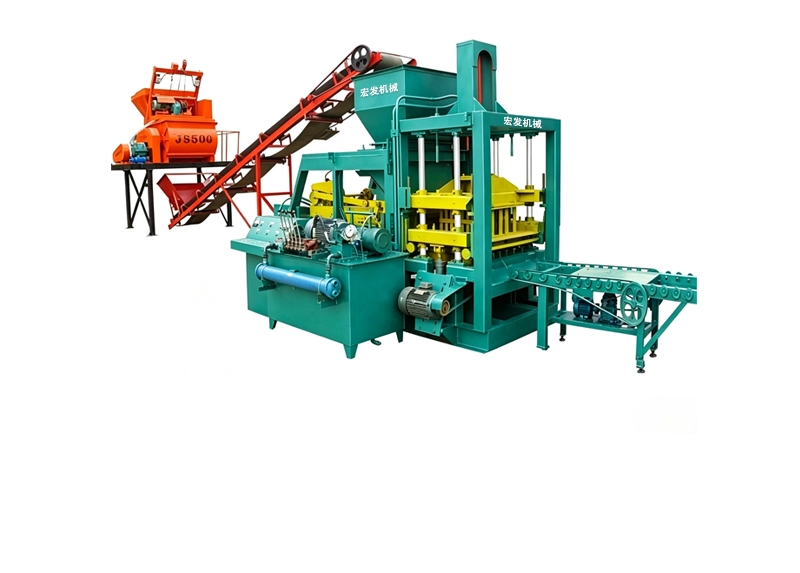 QT4‑20C Semi Automatic Block Making Machine | Hydraulic‑Vibration Non‑fired Concrete Brick Production Host
QT4‑20C semi‑automatic brick‑making machine adopts integrated mechanical‑electrical‑optical‑hydraulic technology with ta...
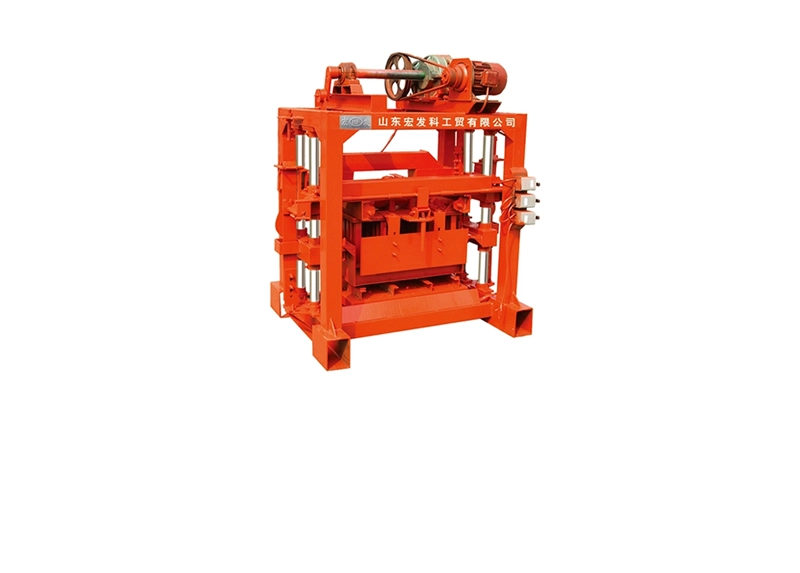 QTJ4‑40B2 Concrete Block Making Machine | Small Electric‑vibration Hollow & Standard Brick Production Equipment
QTJ4‑40B2 small‑size concrete block making machine adopts combined upper‑and‑lower vibration design with solid heavy‑dut...
Shandong Hongfa Scientific Industrial&Trading Co.,Ltd ©️2026Copyright © LU ICP B 16041216-4